

welcome tO THE
Bring Joy Home Resource Hub
the somatic toolkit
Neurodivergence-Affirming Care
Advanced DBT & Emotional Regulation
Psychedelic Integration
Relationship & Life Vitality
August 1, 2025
The “Double Empathy Problem”: Why Social Skills Training Often Fails
For years, the clinical world approached neurodivergent social struggles through a one-sided lens: if an Autistic or ADHD person struggled to communicate with a neurotypical person, it was labeled a “social deficit.” The burden was placed entirely on the neurodivergent individual to learn “social skills”—essentially, to learn how to mimic neurotypical eye contact, small talk, and body language.
At Bring Joy Home, we use a different framework called the Double Empathy Problem. Coined by Dr. Damian Milton, this theory suggests that communication is a two-way street. When neurodivergent and neurotypical people struggle to connect, it isn’t because one person is “broken”; it’s because two different “operating systems” are trying to exchange data.
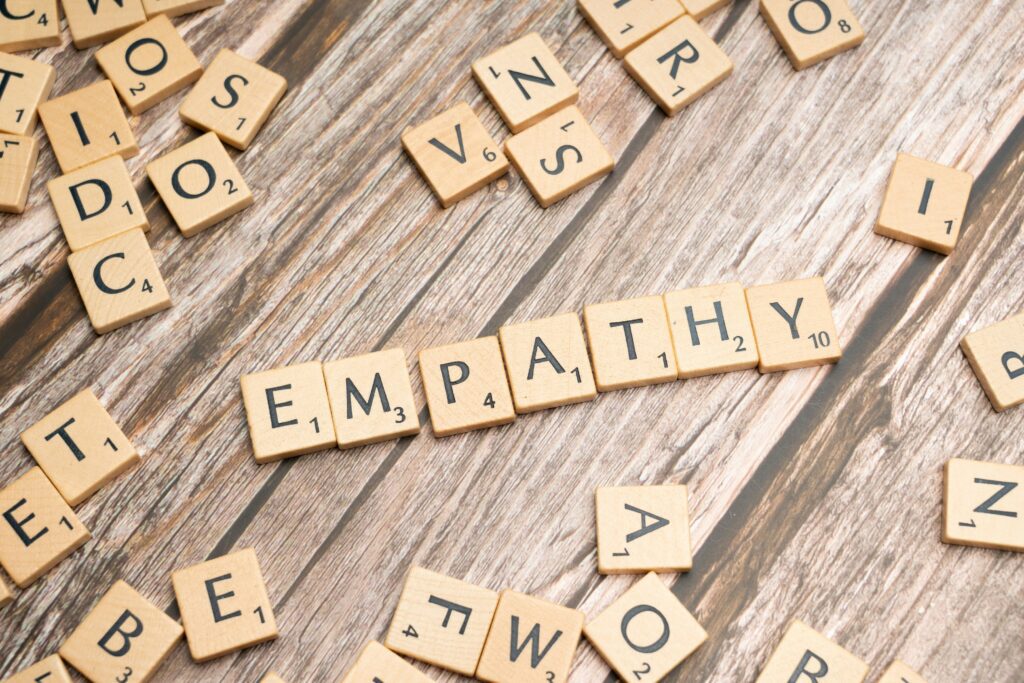
The Myth of the “Social Deficit”
The Double Empathy Problem posits that Autistic people are actually quite effective at communicating with other Autistic people, and neurotypical people are effective at communicating with each other. The “disorder” only appears when the two groups meet.
Think of it like a language barrier. If a person who speaks only English tries to talk to someone who speaks only Italian, we don’t say the English speaker has a “language deficit.” We say there is a gap in their shared understanding.
When neurodivergent people are forced to take “Social Skills Training,” they are often being taught to Mask. Masking is the cognitive effort of translating your natural thoughts into a neurotypical “dialect.” While it might help you “fit in,” it is exhausting, leads to burnout, and prevents true intimacy.
Interpersonal Effectiveness: Beyond Mimicry
In DBT, we teach Interpersonal Effectiveness, but through a neuro-affirming lens. We don’t focus on how to act like someone else; we focus on how to get your needs met while maintaining your self-respect.
We use the DEAR MAN skill as an advocacy tool rather than a performance tool:
- Describe: “I’ve noticed that when we have long conversations in loud restaurants, I start to shut down.”
- Express: “I feel overwhelmed and I lose track of what you’re saying.”
- Assert: “I’d like to move our hangouts to a quieter spot or have shorter chats.”
- Reinforce: “That way, I can actually listen to you and enjoy our time together.”
By using DEAR MAN, you aren’t trying to fix your “awkwardness”; you are effectively managing the environment so your communication can thrive.
Challenging the “Shoulds” of Socialization with CBT
The Double Empathy Problem highlights how much of our social anxiety is fueled by Internalized Ableism. We use CBT (Cognitive Behavioral Therapy) to challenge the cognitive distortions that tell us we are failing social “tests.”
- The Thought: “I didn’t make enough eye contact, so they must think I’m rude or untrustworthy.”
- The Fact Check: Eye contact is a cultural and neurotypical preference, not a universal law of honesty. Many neurodivergent people actually listen better when they aren’t forced to stare at someone’s eyes.
- The Reframing: “I communicate differently. If they find me ‘rude’ because I’m prioritizing my sensory comfort so I can listen, that is a mismatch in our communication styles, not a moral failure on my part.”
Validing “Infodumping” and Deep Interests
One of the most beautiful aspects of neurodivergent communication is “Infodumping”—sharing vast amounts of detail about a specific passion. In neurotypical circles, this is often labeled as “one-sided.” In neuro-affirming circles, this is recognized as a love language. It is an invitation into your world.
“Bringing joy home” means finding the people and environments where you don’t have to translate yourself. It means recognizing that you are allowed to have social needs that look different—like parallel play (sitting in the same room doing different things) or communicating primarily through shared interests and “penguin pebbles” (sending memes or cool facts).
Building a Two-Way Bridge
Healing the Double Empathy Problem requires Radical Acceptance from both sides. It means advocating for your needs while also recognizing that neurotypical people aren’t “wrong” for their style—they’re just different. When we stop trying to “fix” our social skills and start “negotiating” our social interactions, the world becomes a much less lonely place.
Are you tired of feeling like you’re constantly “reading a script” in social situations?
You don’t need more “social skills training.” You need a framework that respects your natural way of connecting. At Bring Joy Home, we help neurodivergent adults build confidence in their communication and find their “tribe.” You aren’t failing at being human; you’re just speaking a different dialect.
About Bring Joy Home
Bring Joy Home is a therapy practice based out of Durango, Colorado, offering in-person services locally and throughout the state of Colorado virtually. We are dedicated to the intersection of behavioral science and somatic wisdom. We believe that true healing requires more than just “talk”; it requires a nervous system that feels safe enough to thrive.
Whether we are supporting clients through psychedelic integration, executive function burnout, or chronic stress, our mission remains the same: to help you move out of survival mode and bring your joy back home.
Learn more about our team of specialists here >>
Take Your Next Step Toward Joy
Schedule Your Free 15-Minute Consultation Click here to view our calendar and find a time that works for you. All consultations are confidential and held via our secure, HIPAA-compliant platform.
Explore Our Services Learn more about our specific specialties, including Internal Family Systems, Dialectical Behavioral Therapy, Psychedelic-Assisted Therapy, and more.
Have a specific question? Email us directly at jamie@bringjoyhome.com—we aim respond to all inquiries within 72 business hours.
Disclaimer: This blog post was written with the help of AI and refined by one of Bring Joy Home’s staff members.
