

welcome tO THE
Bring Joy Home Resource Hub
the somatic toolkit
Neurodivergence-Affirming Care
Advanced DBT & Emotional Regulation
Psychedelic Integration
Relationship & Life Vitality
October 24, 2025
Radical Acceptance vs. Radical Resignation: The Somatic Difference
If you have spent any time in a DBT (Dialectical Behavior Therapy) group, you have likely had a visceral reaction to the phrase “Radical Acceptance.” For many of our clients at Bring Joy Home, the word Acceptance sounds like a dirty word. It sounds like giving up. It sounds like saying, “What happened to me was okay,” or “I’m just going to let people walk all over me because I ‘accept’ the situation.”
If that is how you feel, we have good news: That isn’t Radical Acceptance. That is Radical Resignation.
Understanding the difference between these two states is the difference between being a victim of your life and being the architect of your future. To understand the shift, we have to look past the dictionary definition and look at what is happening in your nervous system.
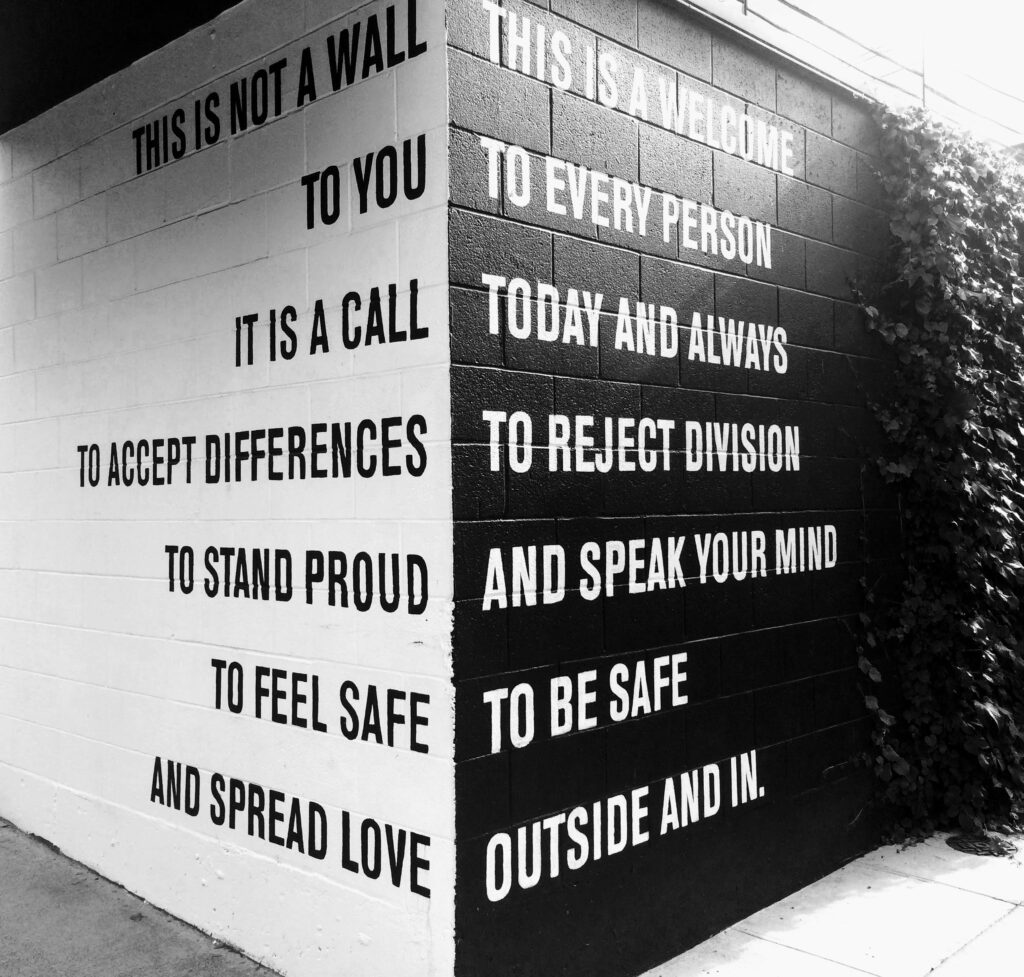
The Myth: Acceptance = Approval
The biggest barrier to healing is the belief that acceptance equals approval. In DBT, we teach that you can 100% hate a situation while 100% accepting that it is happening.
Radical Acceptance is the total, “all-the-way” realization that reality is what it is, whether you like it or not. It is the refusal to keep fighting a reality that has already occurred. When you fight reality, you create Suffering. When you accept reality, you are left with Pain. Pain is a natural part of life; suffering is the “optional” agony we add on top when we say, “This shouldn’t be happening!”
The Somatic Divide: How Your Body Knows the Difference
At Bring Joy Home, we believe your body is a more accurate compass than your mind. You can tell the difference between Acceptance and Resignation by checking in with your physiology.
Radical Resignation (The ‘Collapse’)
Resignation is a Hypo-arousal state. It is a form of “Dorsal Vagal Collapse.”
- The Feeling: Heavy, numb, “zombie-like,” hopeless, and slumped.
- The Biology: Your heart rate slows, your breath is shallow, and your muscles lose tone. You feel like a “puddle.”
- The Thought: “Whatever, I don’t care anymore. Nothing matters. I’m just a loser.”
- The Result: You stay stuck. You don’t change your situation because you don’t believe you can.
Radical Acceptance (The ‘Presence’)
Acceptance is a Ventral Vagal state. It is a state of “Social Engagement” and alertness.
- The Feeling: Clear, grounded, sad (perhaps), but solid. Your spine is straight, and your eyes are open.
- The Biology: Your nervous system is regulated. You are in the Window of Tolerance.
- The Thought: “This is happening. It is painful, and I don’t like it. Now, given this reality, what is my next move?”
- The Result: You become powerful. By accepting the “starting line,” you can actually start the race toward change.
The ‘Willing Hands’ and ‘Half-Smile’ Skills
In DBT, we use “bottom-up” somatic tricks to move the brain into a state of acceptance. It is very hard for the brain to maintain a “Fighting Reality” stance if the body is signaling “Willingness.”
- Willing Hands: Place your hands in your lap or at your sides, palms up and open, with fingers relaxed. This is the opposite of a “clenched fist” (Fight) or “hidden hands” (Flight). It tells the brain: “I am open to this moment.”
- Half-Smile: Relax your face and let the corners of your mouth turn up just a tiny bit. You don’t need a full grin; just a “Mona Lisa” smile. This facial posture sends a signal via the cranial nerves to the brain that the “threat” is over, making it easier to accept the present facts.
Why Fighting Reality Keeps You Stuck
Imagine you are stuck in a deep mud pit.
- Fighting Reality: You scream, you hit the mud, you cry that the mud shouldn’t be there, and you try to jump out in a panic. You sink deeper.
- Radical Acceptance: You stop. You acknowledge: “I am in a mud pit. The mud is up to my waist. It is cold.” Now that you aren’t wasting energy hitting the mud, you can look for a branch.
You cannot change a situation until you accept exactly where you are starting from. This applies to everything from a breakup to an addiction to a traumatic past. If you are spending 90% of your energy wishing the past were different, you only have 10% left to build a better future.
CBT Integration: Challenging the ‘Shoulds’
We use Cognitive Behavioral Therapy (CBT) to catch the “Should” statements that block acceptance.
- “He shouldn’t have treated me that way.”
- “I should be further along in my career by now.”
- “It shouldn’t be raining today.”
We replace “Should” with “Is.” “He treated me poorly. That is the reality. Now, how do I want to respond to someone who treats me that way?” The “Should” keeps you a victim of his behavior; the “Is” makes you the captain of your boundaries.
Bringing Joy Home Through Willingness
Radical Acceptance is the gateway to Wise Mind. It is the moment you stop the internal war and find the peace that comes with clarity. “Bringing joy home” isn’t about having a perfect life; it’s about having a “Willing” life—one where you are brave enough to face reality exactly as it is, so that you can finally transform it.
Are you exhausted from fighting a reality you can’t change?
There is a profound power in the “All-the-way” Yes. Whether you are dealing with a difficult diagnosis, a painful relationship, or a history that haunts you, our therapists at Bring Joy Home are here to help you move from the “Collapse” of resignation into the “Power” of acceptance. You don’t have to like your life to start changing it.
About Bring Joy Home
Bring Joy Home is a therapy practice based out of Durango, Colorado, offering in-person services locally and throughout the state of Colorado virtually. We are dedicated to the intersection of behavioral science and somatic wisdom. We believe that true healing requires more than just “talk”; it requires a nervous system that feels safe enough to thrive.
Whether we are supporting clients through psychedelic integration, executive function burnout, or chronic stress, our mission remains the same: to help you move out of survival mode and bring your joy back home.
Learn more about our team of specialists here >>
Take Your Next Step Toward Joy
Schedule Your Free 15-Minute Consultation Click here to view our calendar and find a time that works for you. All consultations are confidential and held via our secure, HIPAA-compliant platform.
Explore Our Services Learn more about our specific specialties, including Internal Family Systems, Dialectical Behavioral Therapy, Psychedelic-Assisted Therapy, and more.
Have a specific question? Email us directly at jamie@bringjoyhome.com—we aim respond to all inquiries within 72 business hours.
Disclaimer: This blog post was written with the help of AI and refined by one of Bring Joy Home’s staff members.
